The consequences of defaulting on an account’s payable amount are less severe. The vendor or supplier may charge interest or late fees and break the working relationship, perhaps even refusing to deliver the goods or services purchased. Interest will only accrue on an accounts payable balance if a payment is late. Another invoice processing method for recurring orders can involve ordering off a contract. Instead of matching to the PO, the match is to the contract, and the amount of the contract is automatically debited to keep an accurate account of the budget.
When it comes to notes payable, pay careful attention to the repayment terms of the loan and make regular, ongoing payments to avoid penalties. Any lapse in repayment will lead to additional fees or even collateral loss. With the advent of technology, there has been a constant focus on the automation of the accounts payable (AP) process. AP automation through digital transformation is the key to overcoming the inherent deficiencies that plague the process, such as manual and paper-based processes resulting in high invoice processing costs. Accounts payable and notes payable are major expense items for any business. To distinguish accounts payable vs. notes payable, here is a brief overview.
Conversely, organizations that have little control over their accounts payable process may not be capably managing their days payable outstanding or DPO. This metric is the average number of days a company needs to pay suppliers upon invoice receipt. To make the best use of this strategy, you need strong visibility into procurement activities, and a granular understanding of your current liabilities. To properly manage their books, accountants and bookkeepers need to be familiar with both accounts payable and notes payable. While both accounts are liability accounts, there are significant differences between the two that need to be understood. While both are debts on the balance sheet, notes payable and accounts payable are managed and treated in very different ways.
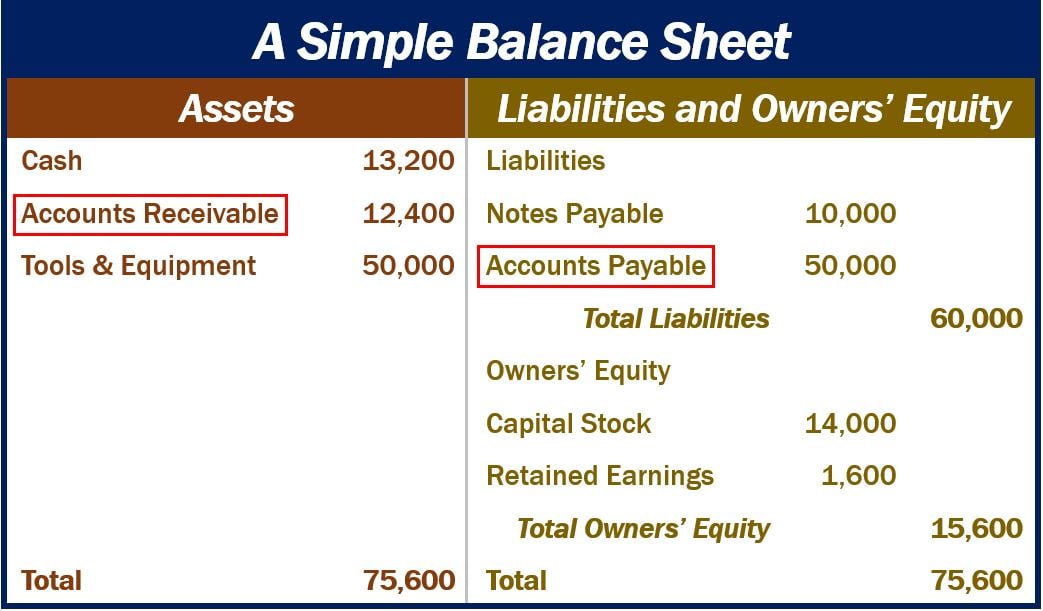
Notes payable can represent either short-term or long-term liabilities, depending on the payment stipulations in the signed promissory note. If the note specifies to pay the debt within a year, it would be considered a short-term liability. If repayment can occur over a period longer than one year, the note is designated as a long-term liability. Notes payable are often used to purchase things like commercial buildings, industrial equipment, company cars or trucks, or other significant procurements that require a loan. Accounts payable are the money that your company owes to the suppliers in against of the goods/services purchased on credit basis. These are the short term liabilities that the company needs to pay to its suppliers in a smaller span of time.
Notes payable are formal loans with interest and structured payments, while accounts payable are informal debts to suppliers without interest unless late. AP automation software helps growing organizations get a handle on an often messy and stressful accounts payable process. Manually inputting data from each invoice leaves a lot of room for error, some that can be caught and corrected, and some that are far more difficult to go back and fix. Automation software eliminates the need for manually inputting invoices during the P2P process, increases data transparency, makes auditing easier, and even adds a layer of fraud protection. An example of notes payable involves a company borrowing money from a bank to finance the purchase of new equipment.
Notes Payable, on the other hand, represents a written promise by a company to pay a specific sum of money at a specified future date or upon the demand of the holder who received the note. It is typically used as a liability account to record a debt payback and is issued to banks, credit companies, and other lender. In addition, accounts payables and notes payables are like debt categorized under current and non-current liabilities. Therefore, Current liabilities like notes and accounts payables need to be managed for efficient working capital management. Businesses need to employ specific processes to successfully manage their current obligations to succeed in the long run.
Without an established P2P process, each location may end up generating its own supply chain, which often leads to frequent errors. LTNP funding allows businesses to plan beyond day-to-day operations and fund innovation and growth. Using LTNP credit, you improve everyday control while building products and features to increase future revenue. To properly manage either payable category, granular spend visibility is essential.
At the end of the contract, the software company is obligated to pay the marketing agency. This would be classified as accounts payable, a financial obligation from services rendered on credit. It is necessary to identify some items which commonly apprear in the financial statements of a company and be able to segregate them under the two heads under the notes payable vs accounts payable examples.
Two key concepts that confuse even financial managers are accounts payable vs. notes payable. So let’s distinguish these two types of liabilities, explain their differences, and give you tips on how to manage them. The good news is that your teams don’t have to handle accounts payable manually. MHC offers a comprehensive procure-to-pay solution that makes it easy for accounting departments to streamline their AP processes. Plus, it seamlessly integrates with ERP solutions from providers like Infor, Oracle, and Microsoft Dynamics.
Working alongside field experts in various industries and company sizes, Team MHC has garnered impressive thought leadership knowledge that we are excited to share with our readers. Strong procure-to-pay (P2P) management helps companies is notes payable the same as accounts payable keep a rein on spending and creates an audit trail and a business case for every purchase. Procurement software can build these guardrails into the ordering process so your stakeholders can get what they need without overspending.